
EV shipping from UK 2026 — lithium battery IMDG rules, state of charge limits, Tesla and Polestar export pathways.
Introduction
Electric vehicles are now 25% of UK new car sales and represent the fastest-growing export category. Lithium-ion batteries trigger IMO IMDG Class 9 dangerous goods classification, which restricts carriers and adds compliance overhead. EV shipping from UK in 2026 from £895 RoRo covers IMDG rules, state of charge limits, carrier acceptance and destination charging compatibility.
IMDG Class 9 lithium battery classification
Lithium-ion batteries are UN3171 (vehicle, electric battery powered) Class 9 dangerous goods under IMO IMDG Code:
- Special stowage on RoRo vessels (segregated decks)
- State of charge typically capped at 30–50% for shipping
- Battery integrity declaration required from manufacturer or owner
- Container shipping requires UN3171 marking and dangerous goods declaration
- Not all carriers accept — Grimaldi, Höegh, K-Line do; some niche lines refuse
RoRo vs container for EVs
Trade-offs:
- RoRo (£895–£1,400): Cheaper, faster transit, easier handling. Some carriers now charge EV surcharge £100–£300.
- Container (£1,800–£3,200): Sealed enclosure, no exposure, better for high-value Teslas/Porsches. Some carriers refuse EVs in containers (fire risk).
- Shared container (£1,200–£1,800): Compromise — Grimaldi, MSC accept with restrictions.
State of charge and preparation
Pre-shipment EV preparation:
- State of charge 30–50% (carrier specific — confirm before shipping)
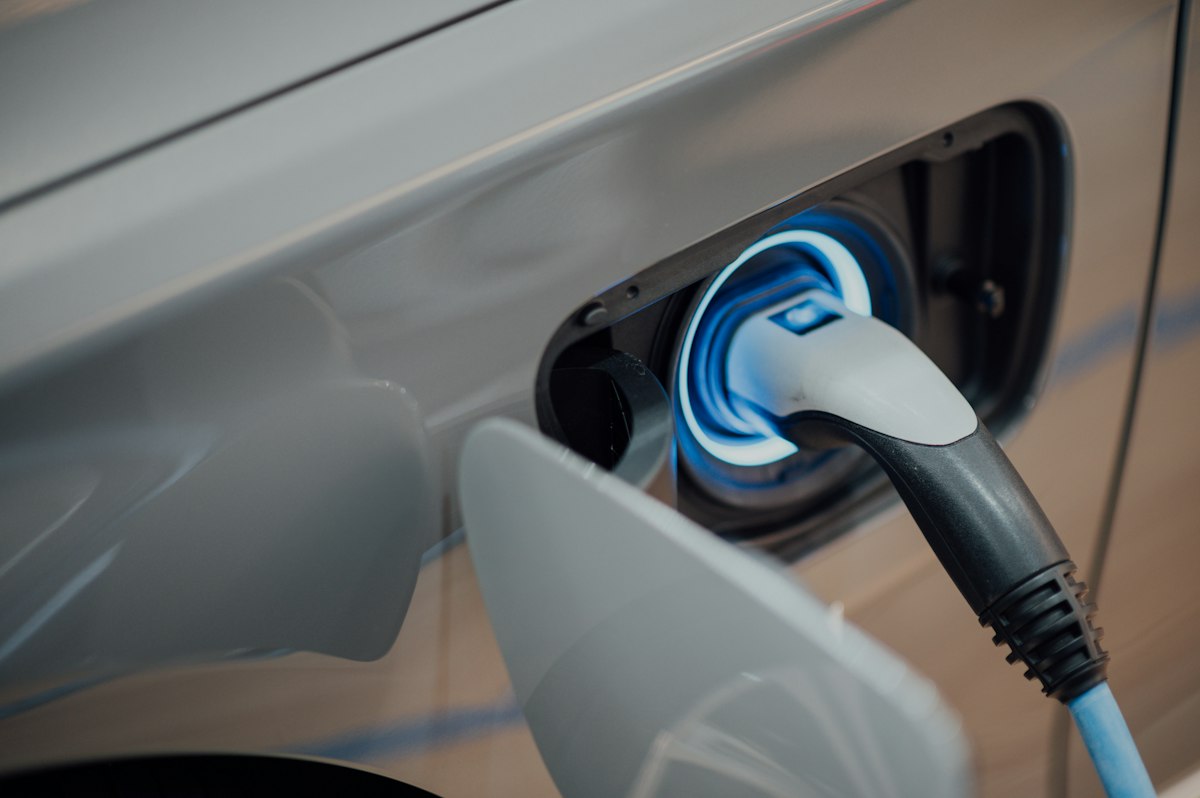
- Charge ports closed and locked
- Charging cables removed and packed separately
- 12V auxiliary battery disconnected or in Transport Mode
- Tesla: enable Transport Mode in Service menu (prevents power-down)
- Battery integrity statement signed
- Manufacturer service record (no recall outstanding)
Destination market and charging compatibility
Critical destination factors:
- Type 2 (Mennekes): UK/EU/Australia AC standard — works in 95% of destinations
- CCS2: UK/EU DC fast charging standard — same as most global markets
- CHAdeMO: Japanese DC standard — declining
- Tesla Superchargers: Most networks now CCS2 compatible, NACS in North America
- GCC region: UK Type 2 vehicles work via Type 2 charging network, expanding
- Africa: Limited public charging — home installation essential
Destination import restrictions on EVs
Major restrictions:
- UAE/GCC: EVs accepted, lower customs duty (5%) and salik benefits
- Australia: Standard import rules, Type 2 compatible, LCT applies above $89,332
- USA: 25-year rule for non-compliant; Tesla US-spec only via direct purchase
- Japan: Permitted, must pass kei/SHAKEN safety/emissions
- Pakistan/India: Heavy duty (90%+ India, 100% Pakistan reduced for EVs to 50%)
- Cyprus/Malta: Full EU rules, no duty if EU goods status
Conclusion
EV shipping from UK in 2026 from £895 RoRo with IMDG Class 9 declaration. State of charge limited 30–50%, battery integrity statement required. Tesla Transport Mode essential for 30+ day transits. Container shipping +£700–£1,800 for high-value vehicles but some carriers refuse. Confirm destination charging compatibility (Type 2/CCS2) and import duty (often reduced for EVs) before booking.
Need a fixed quote? Request one in 60 seconds or WhatsApp 01482 228366.
Frequently Asked Questions
Can I ship a Tesla from UK to Dubai?
Why do EVs cost more to ship than petrol cars?
Will my UK Tesla charge at destination Superchargers?
Ready to Ship Your Vehicle?
Get a free, no-obligation quote for international vehicle shipping from the UK. Check our destinations or use the cost calculator.
Written by
Zahir
SEO & Logistics Expert
Zahir is a seasoned SEO strategist and content writer specializing in international logistics, vehicle shipping, and automotive culture. With over a decade of experience in the shipping industry, he provides expert insights to help customers navigate the complexities of international vehicle transport.